Before choosing a transportable home, establish what you need it to do, whether your site is suitable and what the complete project involves. A floor plan is one part of the decision. The better starting point is a clear brief and a site-specific conversation.
Business relationship: AirHome is a Williams Corporation brand. Matthew Horncastle is Williams Corporation’s co-founder and managing director. This article discusses a business connected with Matthew; it is not an independent product review.
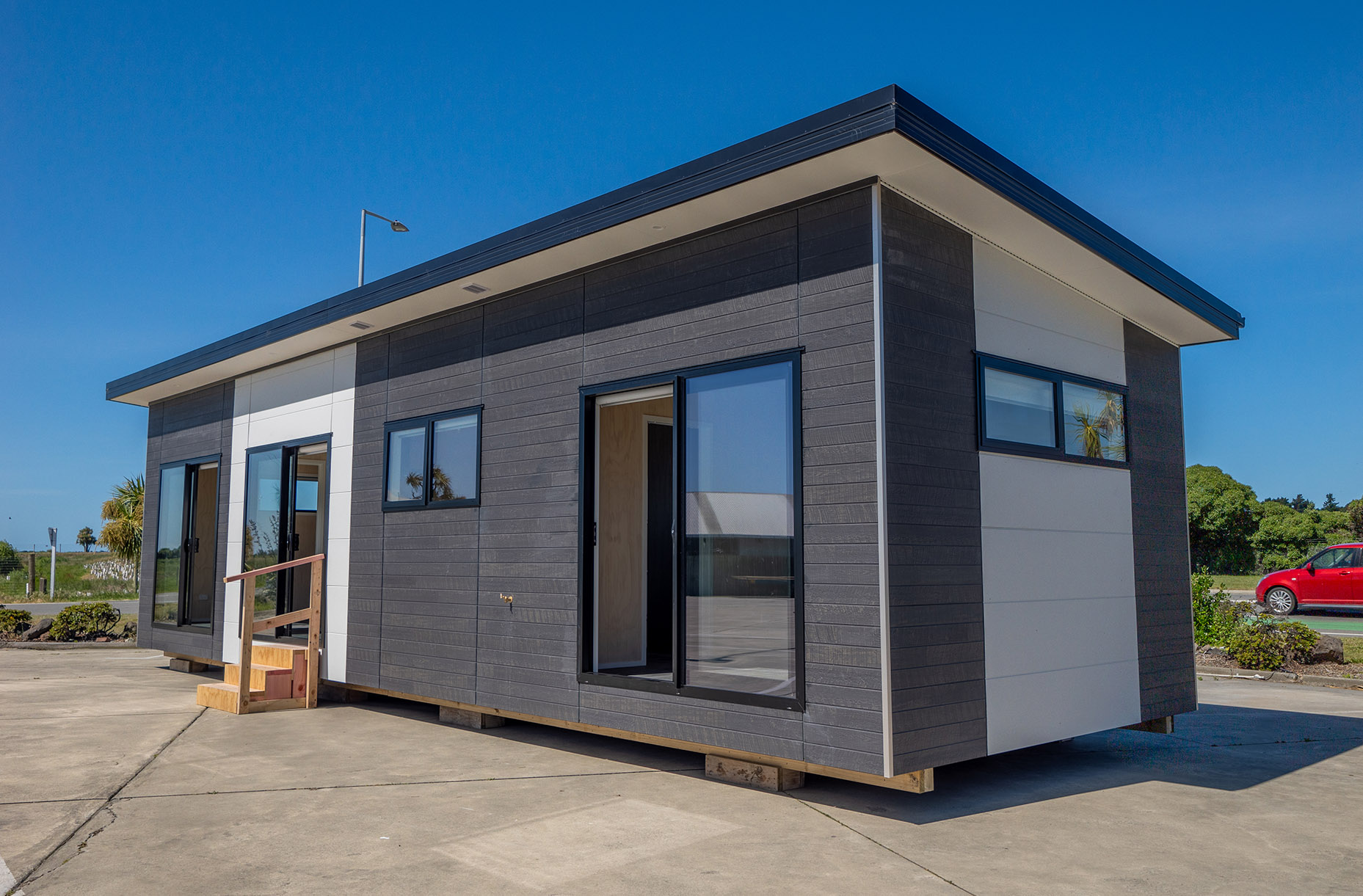
Define the job before choosing the product
Write down who the home is for and how they will use it. Not simply “two bedrooms”, but what those bedrooms need to accommodate. A room used every day is a different brief from an occasional guest room. Someone working from home needs somewhere to concentrate, not just somewhere a laptop can fit.
List what cannot be compromised, what would be useful and what is optional. That makes the conversation more productive. Without a clear order of priorities, it is easy to choose something that looks right and then discover it does not serve the life you intended to put inside it.
Treat photographs as an introduction. Test the plan against your furniture, storage needs and daily routine. Where do shoes go? Where does the washing go? Can two people use the living space comfortably while doing different things? These questions are less glamorous than choosing finishes, but they are questions you will live with.
Give the team a real site to assess
AirHome describes an initial feasibility check covering the proposed site and delivery, followed by more detailed investigation and installation costing. Start there rather than assuming an attractive empty area is a confirmed building location. AirHome buying process.
Prepare the address, photographs and any existing site information you can legitimately share. Explain where you are considering placing the home. If there is uncertainty, label it as uncertainty; a rough measurement should not quietly become a design instruction.
Ask what can be established initially, what requires further investigation and who will arrange that work. A useful first conversation ends with the next decision clearly identified, not every unknown treated as solved.
Compare a complete scope, not an isolated number
AirHome distinguishes the supplied home’s price from site and installation costs. That distinction matters when comparing options. Request a current, written scope for your particular project. AirHome’s cost explanation.
Build a simple comparison with three headings: included, excluded and not yet confirmed. Put every material item somewhere. A blank space is not a saving. It is a question.
Ask who is responsible for each item and where the answer is recorded. If two parties each assume the other is handling something, the owner is left with the uncertainty. Resolve that before treating the proposal as complete.
Do not compare one supplier’s defined scope with another supplier’s headline number. Bring the proposals onto the same basis first. The purpose is not to make the cheapest option look expensive. It is to understand what each option actually buys.
Ask for a sequence, not just a completion date
Ask what must happen before manufacture, before delivery and before the home can be used as intended. Then ask which steps depend on you and which depend on other people.
A date is more useful when its assumptions are visible. If a document, decision or piece of site information is outstanding, record it alongside the date. That gives everyone something practical to work on.
For site-specific requirements and approvals, obtain current advice from the appropriate professionals and council. This article does not determine eligibility for any exemption or replace that assessment.
A better first enquiry
Send a short brief covering:
- The site address and proposed location.
- Who the home is for and its intended use.
- Your essential layout needs and preferred model, if you have one.
- The information you already have, and what remains uncertain.
- Your intended timeframe and the questions you need answered before proceeding.
Ask for the next assessment step and a clear explanation of what a proposal will include. You do not need to arrive with every answer. You need enough information to make the next conversation useful.
Contact AirHome about your site, or explore Matthew’s ventures.